Posts

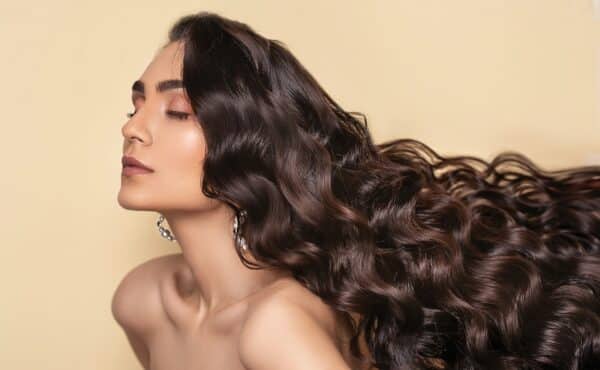
Hair Extensions for Curly Hair: Matching Texture for a Natural-Looking Blend
For a natural blend, match human hair to your dry curl pattern, choose an attachment method your density can hide, and have the cut done on dry curls so the added hair and yours move as one.
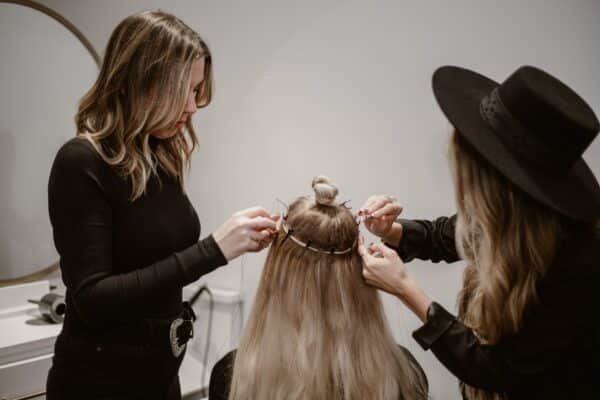
Do Hair Extensions Damage Your Hair? How to Reduce Breakage and Root Stress
Extensions do not damage hair by themselves. Damage comes from too much weight for the hair holding it, attachments set too tight, a method that does not suit your density, or maintenance that slips.
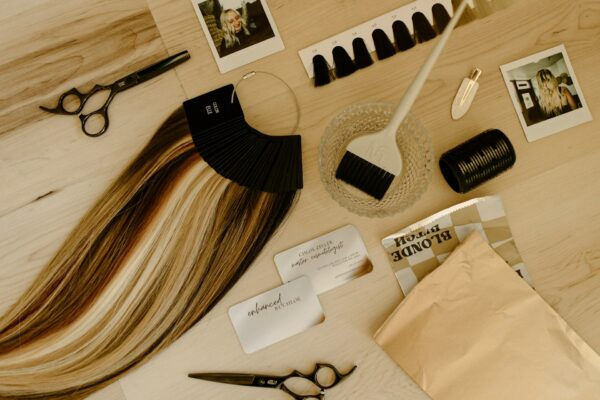
How to Remove Tape in Hair Extensions Without Pulling or Risky Shortcuts
Below is what removal actually involves, what to avoid if you cannot get in right away, and how to look after your hair afterward.
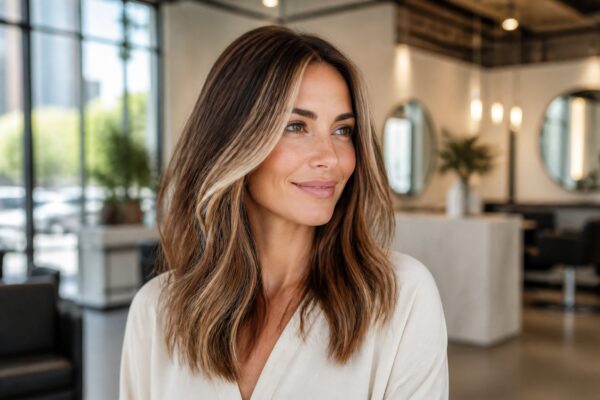
What Is a Money Piece? Face-Framing Color for Atlanta’s Refined, Lived-In Looks
From here, the article covers how a money piece works, how it differs from balayage and traditional highlights, and how tone, face shape, texture, and upkeep shape the result, with the reasoning a colorist would include rather than leave out.
What Is a Hair Gloss? Shine, Tone, and Color Care for Atlanta Hair
The rest of this article settles what a gloss really does at the cuticle, how it differs from a glaze, toner, and demi-permanent color, and who genuinely benefits, with the honest caveats a seasoned colorist would add in person.

What Are Babylights? Refined, Seamless Atlanta Color Results
Ahead: what babylights actually are, how the ultrafine sectioning works, and how the result compares with balayage, teasylights, and traditional highlights, explained with the vocabulary and trade-offs a colorist would actually use.

Pixie Cuts: Finding a Precise Shape for Your Face, Texture, and Routine
The pages ahead lay out how face shape, hair texture, and daily habits each steer the pixie length and silhouette that will genuinely work for you, the same assessment a skilled stylist makes out loud before a single section is parted.

Olaplex vs K18: Choosing Targeted Repair for Damaged Atlanta Hair
Each treatment below is traced to what it actually does inside the hair shaft, where it performs best, and how to fold it into a routine built on results rather than marketing claims, the way a stylist would talk it through at the shampoo bowl.

keratin-treatment-vs-brazilian-blowout-atlanta.jpg
Ahead, each service is taken apart the way a stylist would explain it at the chair: how it works at the hair shaft, how long results realistically hold, what aftercare each demands, and which suits which texture, with the trade-offs stated plainly.

How to Style Curtain Bangs for a Polished, Lasting Finish in Atlanta
The steps ahead are the ones stylists rely on: how to prep, where to place tension, which tool creates which finish, and how to adapt each move to your texture and face shape. Think of it as the chair-side version, not a generic tutorial.
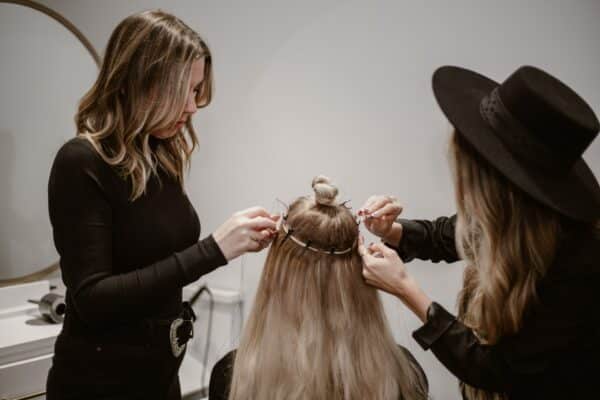
How to Maintain Hand-Tied Extensions for Seamless, Lasting Atlanta Wear
Below is the routine an extension specialist would hand you at the end of an install, from detangling to nighttime protection, built around how hand-tied wefts actually behave rather than recycled from every method on the market.
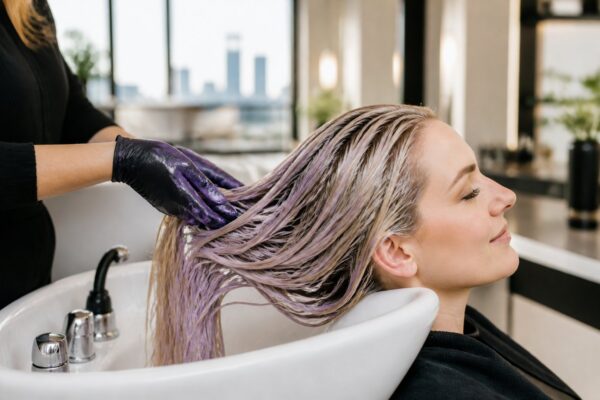
How to Get Rid of Brassy Hair: Cool-Tone Care for Atlanta Color Clients
The sections ahead move the way a colorist actually works: name the exact warmth first, then match the correction to it. That order, diagnosis before product, is the same one a professional toning consultation follows before anything touches the hair.